Exploring the Brain, One Neuron at a Time
Learn about your amazing brain through fun infographics and articles. Discover how your mind works and why it's so incredible!

Featured Content
Can You Train Your Brain to Be Smarter?
Discover how neuroplasticity lets you rewire your brain and boost your intelligence through practice.
Read Article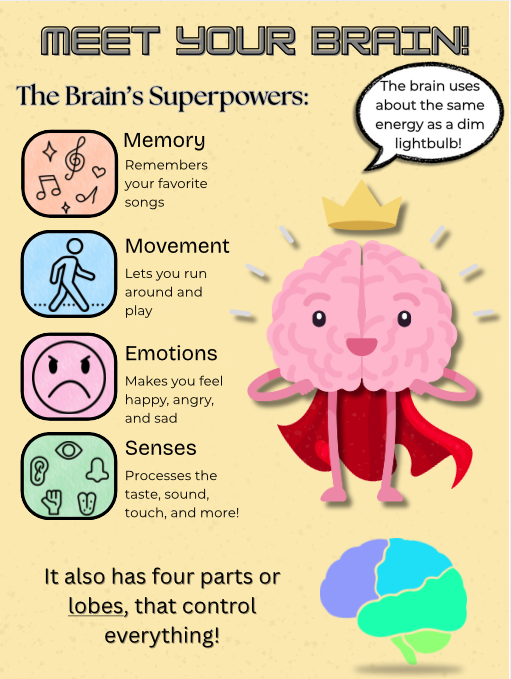
Meet Your Brain!
Discover your brain's amazing superpowers! Learn about memory, movement, emotions, and senses.
See Full Infographic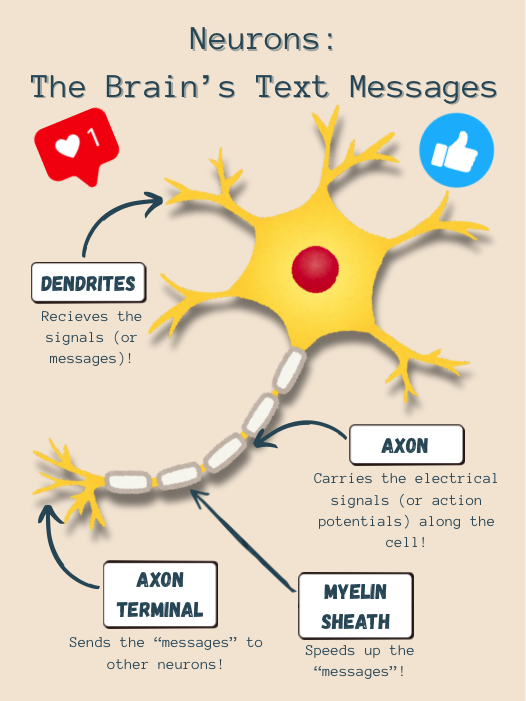
Neuron: The Brain's Text Messages
See how neurons send and receive information, like text messages zipping through your brain!
See Full Infographic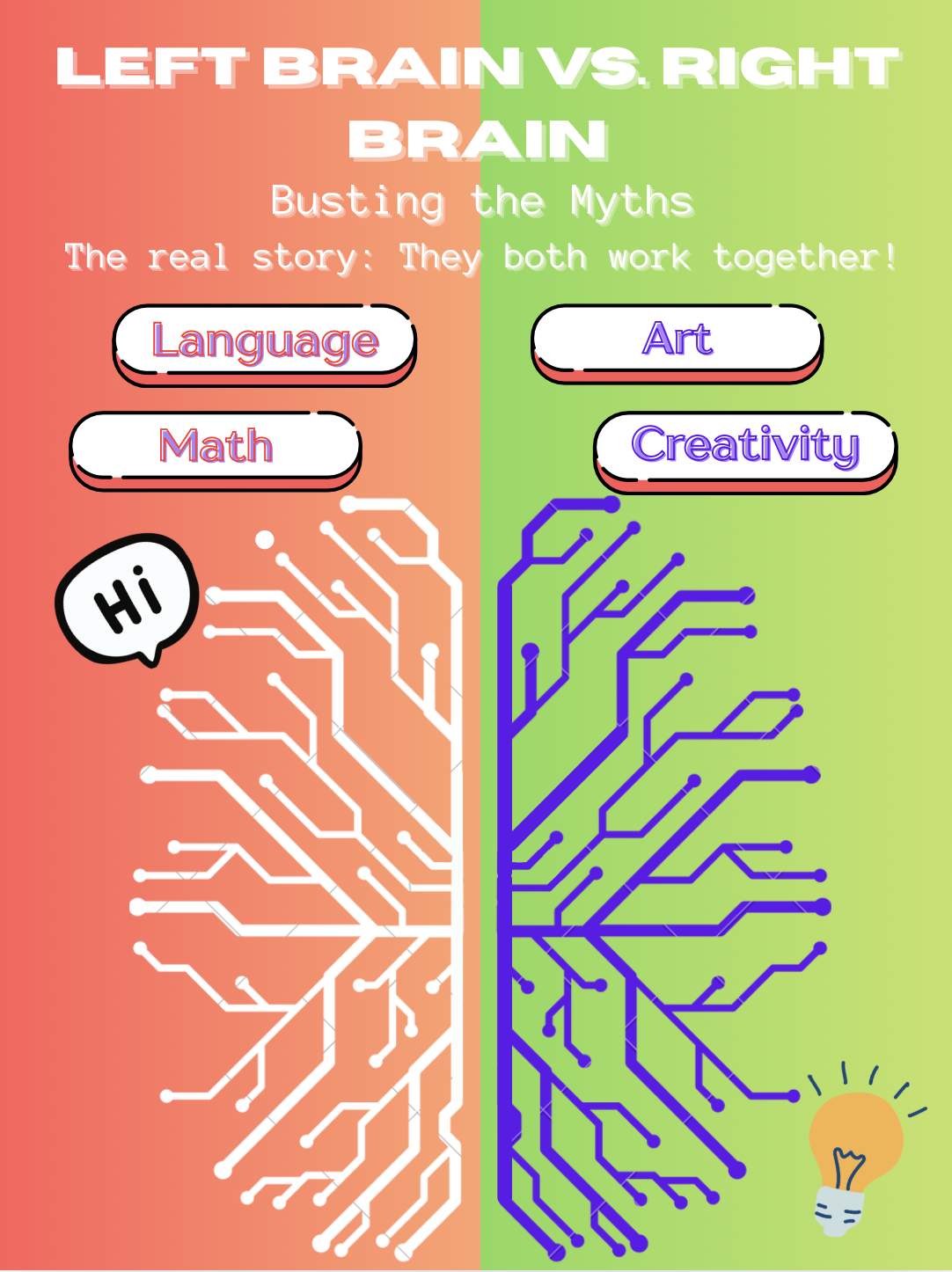
Memory and the Brain
Explore how your brain stores and recalls information, from short-term memory to lifelong knowledge.
See Full InfographicWhat's New in Neuroscience
Learn about the discoveries about how brains work
Breakthrough PTSD treatment achieves 68% remission rate in clinical trial
A newly FDA-cleared PTSD treatment using personalized brain mapping and magnetic stimulation achieved a 68% remission rate in clinical trials. This breakthrough in precision neuromedicine could transform mental health care by showing how targeted interventions based on individual brain activity patterns can dramatically outperform conventional approaches.
Why some people escape Alzheimer’s despite carrying a high-risk gene
Scientists identified a rare protective mutation that allows some people with high Alzheimer's risk genes to stay mentally sharp into their 80s. This discovery of natural brain defense mechanisms could unlock new treatment strategies that mimic the body's own protection against harmful protein buildup.
Scientists win 2026 Nobel Prize for controlling brain cells with light
The 2026 Nobel Prize recognizes optogenetics—a revolutionary technique using light to control brain cells with precision that was first developed from algae. Researchers have already used this breakthrough to activate memories and restore vision, opening doors to previously impossible treatments for neurological disorders.
Glioblastoma breakthrough reveals how brain cancer cells become more aggressive
Glioblastoma cells undergo a sinister transformation when exposed to the thick fluid surrounding tumors, becoming smaller, more flexible, and better at invading tissue—changes that persist even after leaving that environment. This newly uncovered mechanism explains how one of the brain's deadliest cancers spreads so aggressively and could point to new therapeutic targets.
Stay in Touch
Get the newest neuroscience updates sent right to your email!